
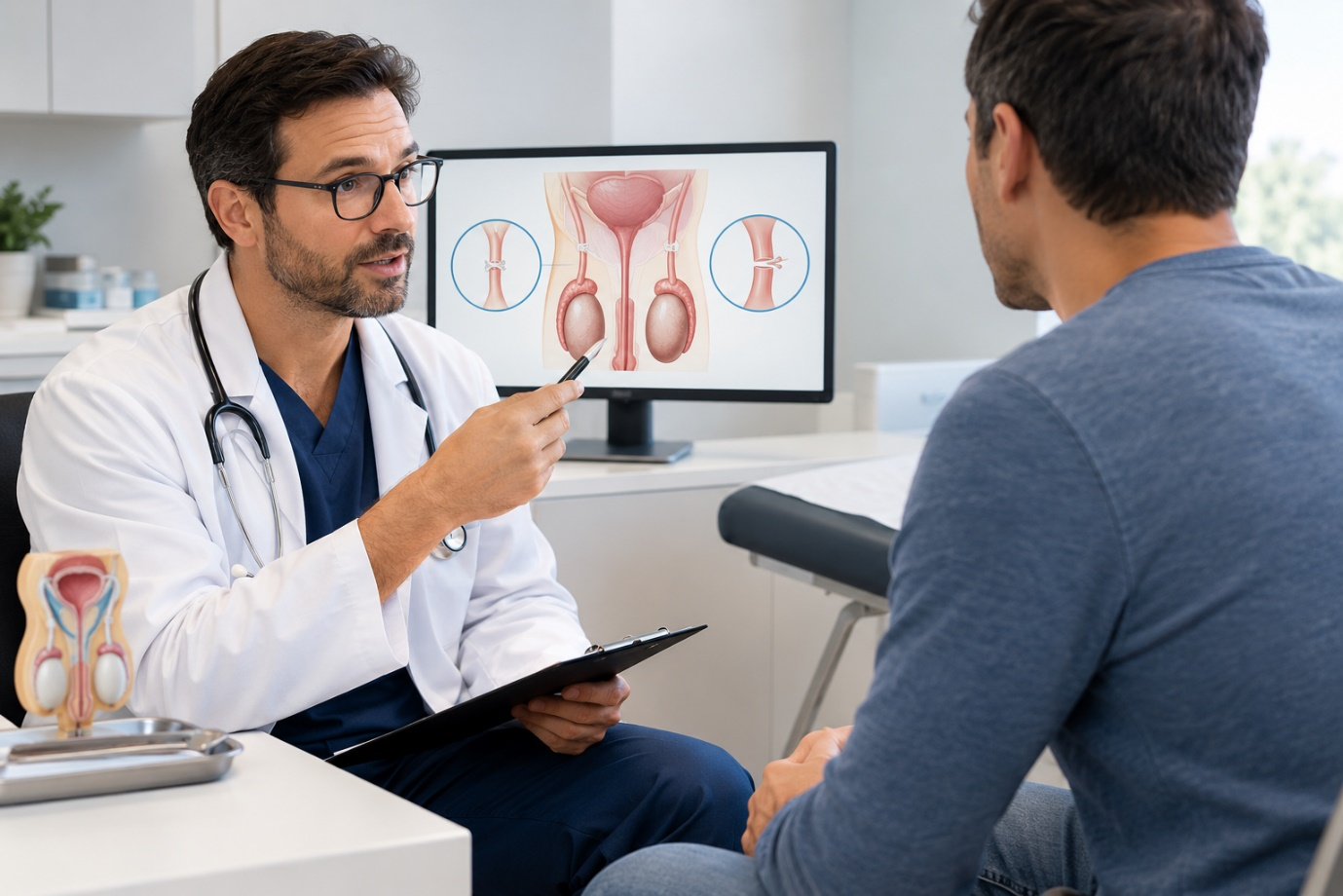
Pain is usually the biggest worry standing between a man and his vasectomy appointment, so let’s address it directly. Does a vasectomy hurt?
With the no-needle, no-scalpel approach used here, most patients describe pressure and mild tugging rather than sharp pain, and the anesthesia does the heavy lifting long before you feel anything uncomfortable.
This blog breaks down what actually happens to your nerves, muscles, and skin during the procedure and what soreness looks like once the numbing wears off.
What Does a Vasectomy Hurt Like During the Anesthesia Step
The anesthesia step is where most of the anxiety lives, and it is also where the no-needle technology changes the experience the most.
A jet spray applicator delivers numbing medicine through a fine, high-pressure mist that passes through the skin without a needle puncture. Patients typically feel:
- A quick snap or pop sensation, similar to a rubber band flick.
- A brief cold or tingling feeling as the medicine spreads.
- Mild pressure for a few seconds as the area goes numb.
Within a minute or two, the skin and tissue underneath are numb enough that the rest of the visit feels more like tugging than cutting.
The Puncture and Blocking Steps Explained
Once you are numb, a specialized instrument creates one small puncture in the scrotum instead of an incision, and this is where the “no-scalpel” name comes from. You may feel:
- Pressure as the tubes are located and gently pulled toward the opening.
- A tugging or pulling sensation as each tube is divided.
- Very brief cramping, similar to a mild muscle pull, lasting only a few seconds.
None of these sensations are sharp or stabbing. If you feel real pain at any point, let Dr. Shanmukanathan know right away so more anesthetic can be applied before continuing.
Why Anxiety Can Make Everything Feel More Intense
Fear changes how the body experiences pressure. Tense muscles and a racing heart rate can turn a mild tug into something that feels much bigger than it is. A few things help lower that response before your appointment:
- Slow, steady breathing during the numbing step.
- Distracting yourself with conversation or music through headphones.
- Reminding yourself that the entire procedure typically wraps up in about 15 minutes.
Patients who arrive expecting the worst are often the ones most surprised by how manageable the whole thing feels once it starts.
What Soreness Feels Like in the First 24 Hours
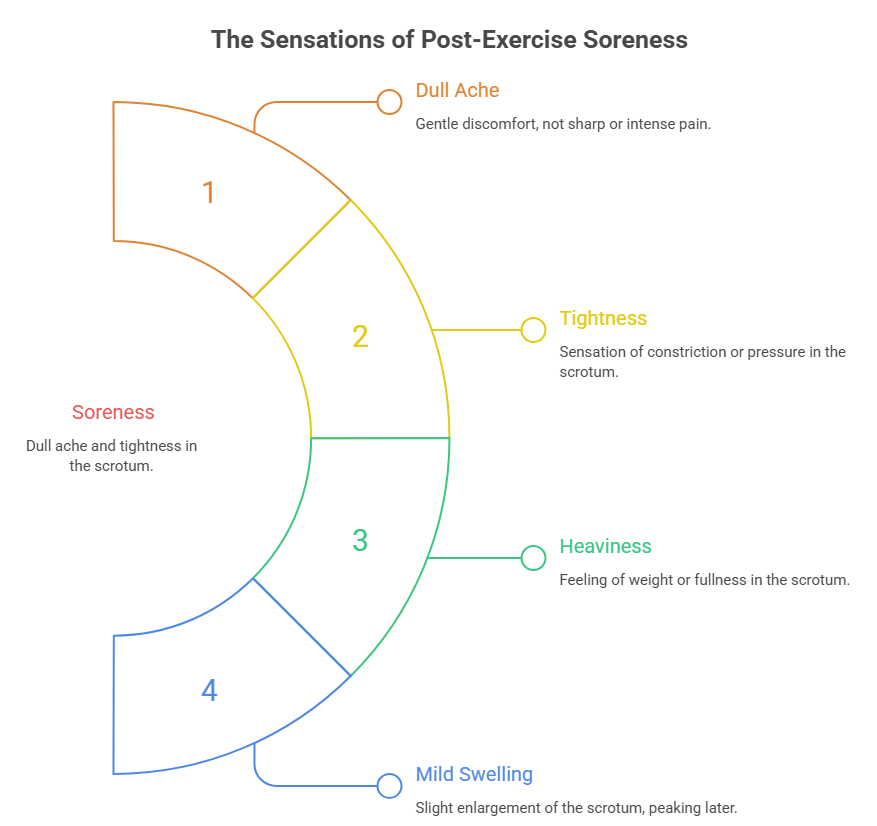
Once the numbing medicine wears off, mild soreness is normal, and knowing “does a vasectomy hurt” can help you understand what to expect so you are not caught off guard. Most men describe:
- A dull ache similar to being kicked lightly, not a sharp pain.
- Tightness or heaviness in the scrotum.
- Mild swelling that peaks around day two or three.
Over-the-counter pain relief like acetaminophen usually covers this discomfort well. Since aspirin and ibuprofen thin the blood, they are best avoided in the days immediately following your procedure unless your doctor recommends otherwise.
Comparing Pain Between Traditional and No-Scalpel Methods
| Aspect | Traditional Vasectomy | No-Scalpel Vasectomy |
| Anesthesia delivery | Needle injection | Jet spray, no needle |
| Skin opening | Incision with a scalpel | Single small puncture |
| Stitches required | Yes | No |
| Typical recovery discomfort | Moderate, longer lasting | Mild, shorter lasting |
This comparison is one reason so many men take time to understand what the procedure involves before ever stepping into the office.
Managing Discomfort During the First Week
The bulk of the recovery window is about protecting the area while it heals quietly on its own. A few habits make a real difference:
- Wear snug underwear or a supportive jockstrap continuously for the first few days.
- Apply a cloth-wrapped ice pack for fifteen minutes at a time to reduce swelling.
- Rest on the couch or in bed for the remainder of the procedure day.
- Avoid heavy lifting, strenuous exercise, and sports for a full seven days.
Light walking the next day is fine and even encouraged, since gentle movement supports circulation without straining the area.
When Discomfort Signals Something Worth Checking
Mild soreness is expected, but a few signs are worth a call, without waiting it out. Reach out if you notice increasing redness, fever, worsening swelling that does not improve with ice, or pain that gets sharper instead of easing over the following days.
Complications like this are uncommon, but identifying them early can help prevent a minor concern from becoming more serious.
In Summary
The honest answer to “Does a vasectomy hurt?” is that most men feel far less than they expect, especially with a no-needle, no-scalpel approach designed around comfort at every step.
If you still have concerns about pain, anesthesia, or what recovery will feel like for you specifically, the best next step is a conversation.
Take a moment to understand what to expect before your appointment, or reach out to schedule a consultation with Dr. Thulasi Shanmukanathan and get clear answers to your questions.
FAQs
Does a vasectomy hurt more than getting a shot?
Most men find the jet spray anesthesia feels similar to a snap or flick, which many describe as less uncomfortable than a traditional injection.
How long does soreness typically last?
Mild soreness and swelling usually improve within three to five days, with most men feeling back to normal within a week.
Is it safe to take pain medication before the procedure?
Avoid aspirin and ibuprofen beforehand since they thin the blood, but acetaminophen is generally fine to have on hand for afterward.
Will I feel anything during the puncture itself?
Once the area is numb, most patients feel pressure and tugging rather than sharp pain during the puncture and blocking steps.
Is pain during recovery a sign something went wrong?
Not usually, since mild aching and tightness are part of normal healing, though sharp or worsening pain should be checked by your physician.