

If you are weighing your options for permanent birth control, one question probably matters more than any other: how effective is a vasectomy? The short answer is that it ranks among the most reliable forms of contraception available, but effectiveness is not instant, and it depends on one step many men underestimate.
This blog walks through the real numbers, the timeline behind them, and why skipping the follow-up testing is the most common way effectiveness gets undermined.
The Real Numbers Behind Vasectomy Success Rates
A vasectomy is close to 99 percent effective at preventing pregnancy once it has fully taken hold. Failure is rare, and when it happens, it is usually tied to one of two things:
- The tubes reconnecting on their own over time, known as recanalization.
- Sperm still present in the system because the follow-up test was skipped or completed too early.
Compared to other contraception methods, this puts a vasectomy well ahead of options like condoms or oral birth control in terms of long-term reliability, without requiring ongoing effort after recovery.
Why Effectiveness Is Not Immediate
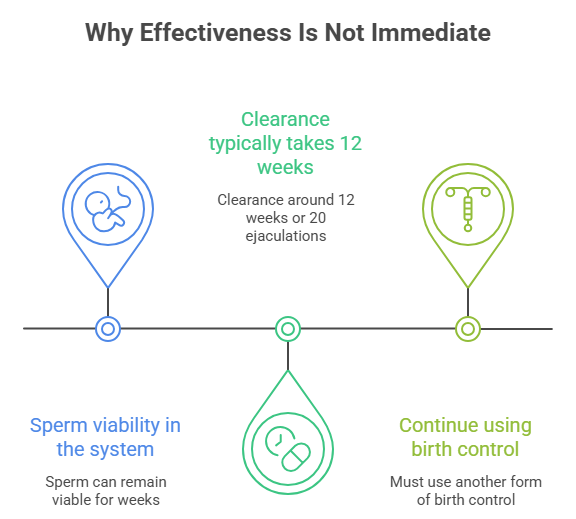
This is where a lot of confusion happens. How effective a vasectomy is depends partly on allowing existing sperm to clear, since the procedure blocks new sperm from reaching the semen but does nothing about sperm already stored further down the reproductive tract. That existing supply has to clear out before the procedure offers any real protection.
- Sperm can remain viable in the system for several weeks after your appointment.
- Clearance typically takes about 12 weeks or around 20 ejaculations, whichever comes first.
- You must continue using another form of birth control the entire time.
Thinking of a vasectomy as effective from day one is the single biggest misunderstanding we hear at consultations, which is exactly why the timeline gets its own conversation before your procedure even happens.
Semen Testing Is the Only Way to Confirm Effectiveness
There is no shortcut around this step. The only way to know a vasectomy has worked is through a post-vasectomy semen analysis, commonly called a PVSA. This test checks your sample for any remaining sperm and confirms whether the count has dropped to zero or a clinically safe level.
A few things to keep in mind about this step:
- The PVSA kit is a separate cost from the $600 procedure fee, so it is worth budgeting for on its own.
- Skipping this test means you have no real confirmation that the procedure succeeded.
Details on scheduling and what the test involves are covered on our what to expect page, which walks through the full recovery and follow-up timeline.
What a Clear Result Actually Means
Once your semen sample comes back showing no sperm present, you can stop using backup contraception and rely on the vasectomy going forward. When considering how effective a vasectomy is, a clear result is the green light, not the calendar date of your procedure.
If your count is still not at zero by the 12-week mark, a repeat test may be needed before you get that confirmation, which is a normal part of the process rather than a sign of a failed procedure.
What Can Lower How Effective a Vasectomy Is Over Time
While rare, effectiveness can change years down the line in a small number of cases. Recanalization, where the cut ends of the tube reconnect on their own, is the main culprit, and it happens in a very small percentage of patients.
This is one reason a completed vasectomy is still considered a highly reliable method rather than an absolute guarantee with zero exceptions.
Understanding this small margin helps set realistic expectations instead of assuming the procedure removes all future risk permanently.
How Vasectomy Effectiveness Compares to Other Permanent Options
| Method | Effectiveness | Reversibility |
| Vasectomy | About 99% | Difficult and not guaranteed |
| Tubal ligation | About 99% | Difficult and not guaranteed |
| Condoms | 85 to 98% with typical use | Not applicable |
| Oral contraceptives | 91 to 99% with typical use | Not applicable |
This table makes it clear how effective a vasectomy is for men who are certain their family is complete, combining high effectiveness with a much lower physical burden than female sterilization procedures.
Questions Worth Asking Before You Commit
Since a vasectomy is meant to be permanent, effectiveness is only part of the decision. It helps to think through:
- Whether you and your partner are both confident about not wanting future children.
- How comfortable you are with the small chance of needing a repeat semen test.
- Whether you understand that reversal later is complex, expensive, and not always successful.
Dr. Thulasi Shanmukanathan is happy to talk through any of these questions at your consultation, without any pressure either way. You can find more common questions answered on our vasectomy FAQ page as well.
Get Clarity Before You Decide
Understanding how effective a vasectomy is comes down to two things: trusting the procedure itself and following through on the semen test that confirms it worked. Both matter equally.
If you are ready to talk through the timeline, the testing process, or anything else on your mind, reach out to schedule a consultation and get straightforward answers from Dr. Thulasi Shanmukanathan before you make your decision.
FAQs
How effective is a vasectomy right after the procedure?
It is not effective immediately, since sperm already in your system can remain for several weeks until it fully clears out.
What happens if my semen test is not clear at 12 weeks?
You will likely need a repeat test and continue backup contraception until a sample confirms the count has dropped to a safe level.
Can a vasectomy fail years later?
Rarely, through a process called recanalization, where the tubes reconnect on their own, though this affects a very small number of patients.
Is a vasectomy more effective than tubal ligation?
Both methods offer similarly high effectiveness, around 99 percent, but a vasectomy involves a simpler, lower-risk procedure.
Do I need the PVSA kit if I feel fine?
Yes, feeling fine does not confirm that your sperm count is clear, so the semen test remains the only reliable way to verify effectiveness.