Most men who get a vasectomy are back on their feet within 48 hours, yet the first month still trips people up. Not because the procedure is dangerous, but because the recovery has a few specific windows where doing too much too soon causes setbacks that add weeks to the process. Understanding vasectomy recovery day by day, rather than as a vague “rest and wait” period, is what separates a smooth return to normal life from one full of unnecessary discomfort. This guide walks you through exactly what happens to your body in the first 30 days after vasectomy.
Table of Contents
- Quick Takeaways
- The First 48 Hours After Vasectomy
- Days 3 Through 7: Swelling, Bruising, and Returning to Work
- Week Two and Three: Exercise, Sex, and What the Data Says
- Week Four: Are You Actually Sterile Yet?
- Post-Vasectomy Care Essentials That Actually Matter
- Recovery Comparison: No-Scalpel vs. Traditional Vasectomy
- Warning Signs That Need a Doctor’s Attention
- Frequently Asked Questions
- References
Quick Takeaways
| Key Insight | Explanation |
|---|---|
| Ice packs for 48 hours straight | Applying ice in 20-minute cycles during the first two days dramatically reduces swelling and shortens overall healing time. |
| Scrotal support is not optional | Wearing supportive underwear or an athletic supporter for the first week reduces pulling on the vas deferens and minimizes bruising. |
| Most men return to desk work in 2 days | Sedentary jobs allow a 48-hour return window. Physical labor, lifting, or standing for long periods requires 5 to 7 days off. |
| Sexual activity resumes around day 7 | Most physicians clear patients for sexual activity after one week, but this depends on how the individual site is healing. |
| A semen analysis at 8 to 16 weeks confirms sterility | Vasectomy is not immediately effective. Residual sperm remain in the reproductive tract and must be cleared through ejaculation. |
| Over-the-counter pain relief is sufficient for most patients | Ibuprofen or acetaminophen manages post-procedure discomfort effectively. Most men report minimal pain past day 3. |
| No-scalpel technique reduces healing time | The no-scalpel approach used at Shan Vasectomy produces a smaller access point, less tissue trauma, and faster recovery than conventional methods. |
The First 48 Hours After Vasectomy

The procedure itself takes roughly 15 to 30 minutes. You will feel pressure but not sharp pain during the vasectomy, and most patients describe the experience as far less uncomfortable than they anticipated. What follows in the next 48 hours is where your behavior has the biggest impact on how fast you heal.
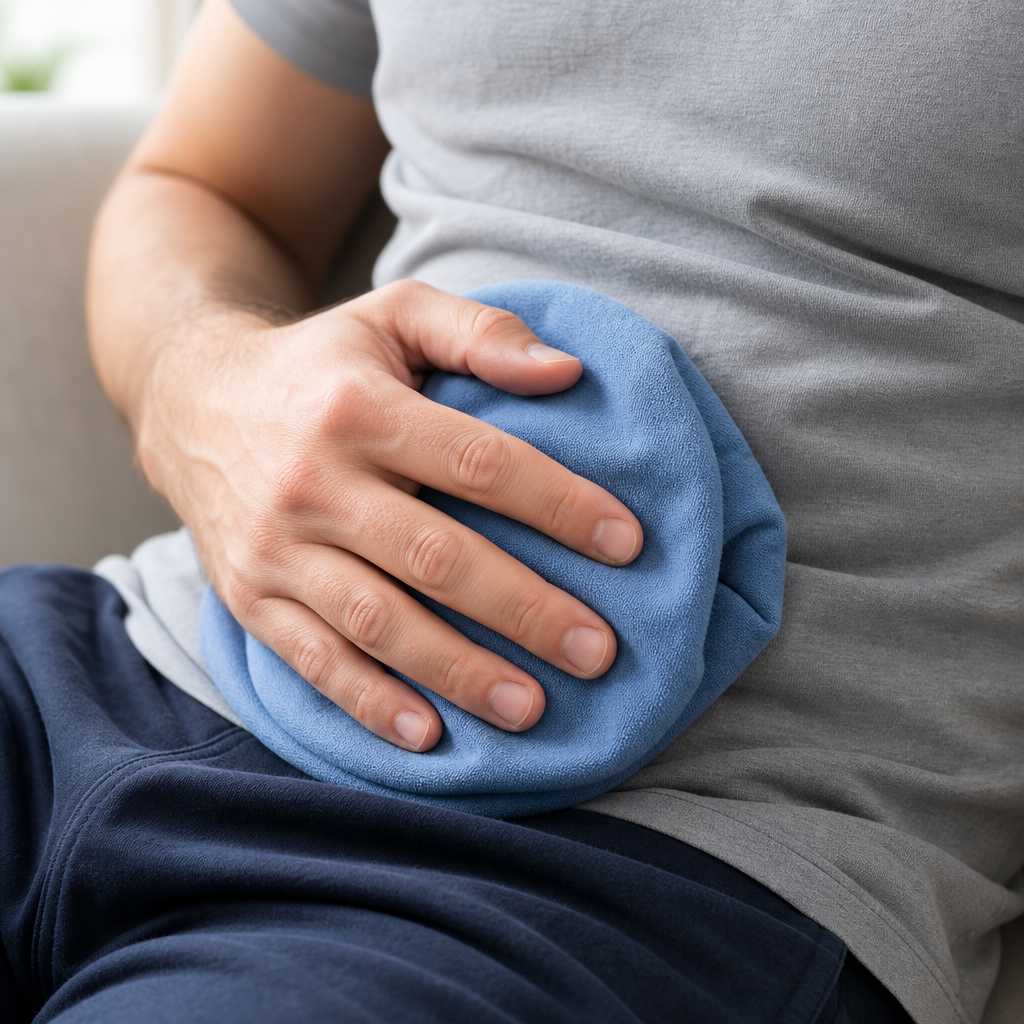
The single most effective thing you can do immediately after a vasectomy is apply ice. Wrap an ice pack in a thin cloth and apply it to the scrotum for 20 minutes on, 20 minutes off throughout the first two days. This keeps swelling to a minimum and reduces the chance of a hematoma, which is a pooling of blood under the skin that can significantly extend vasectomy healing time.
Rest flat as much as possible during the first 48 hours. Walking to the bathroom is fine. Climbing stairs, driving yourself home, or sitting in a car for more than 20 minutes immediately after the procedure are all things to avoid. Have someone with you for transportation on procedure day. This is non-negotiable for both your comfort and your safety.
What Normal Discomfort Looks Like at 48 Hours
Mild aching in the testicles and lower abdomen is normal. Some bruising and minor swelling around the procedure site is expected. A small amount of blood on the gauze or underwear is also normal in the first 24 hours. What is not normal is sharp, worsening pain, a rapidly expanding lump, or a fever above 101 degrees Fahrenheit. Those symptoms require a call to the clinic.
At Shan Vasectomy, the no-needle technique means patients skip the sharp sting of a traditional anesthetic injection. The anesthetic is delivered through a high-pressure spray system instead, which reduces the anxiety and discomfort that most men associate with the start of the procedure. That difference in technique carries forward into the recovery period. Less tissue disruption at the start means less inflammation to manage in the first 48 hours.
Days 3 Through 7: Swelling, Bruising, and Returning to Work
By day 3, the acute phase of post-vasectomy care is winding down for most men. Swelling should be at or near its peak by this point and will begin to subside. Bruising, if present, may actually look worse on day 3 or 4 than it did on day 1. That is not a sign of a problem. Bruising travels toward the skin surface as the body reabsorbs pooled blood, and it typically fades completely within 10 to 14 days.
Pain at this stage should be manageable with ibuprofen (400 to 600 mg every 6 to 8 hours with food) or acetaminophen. A common mistake is stopping pain medication too early because you feel better, then overdoing physical activity and triggering a flare-up of discomfort. Stay consistent with anti-inflammatory medication through day 4 or 5 even if you feel fine.
When You Can Go Back to Work
For office workers and those with desk-based jobs, returning to work 48 hours after the procedure is realistic. Sitting at a desk does not put meaningful strain on the surgical site as long as you are wearing supportive underwear and not doing anything that involves lifting or straining. If your job requires driving for extended periods, standing for hours, or any physical labor, take at least 5 to 7 full days before returning.
The men who run into trouble during week one are almost always those who go back to physically demanding work too soon. The vas deferens and surrounding tissue are not fully stabilized yet. Excess movement and strain during this window is the primary cause of post-vasectomy hematoma in otherwise uncomplicated cases. It is not worth cutting the recovery short by two days and adding two weeks of complications.
Pro tip: Schedule your vasectomy on a Thursday or Friday. You get the weekend to rest, and by Monday most desk workers are ready to return. Physical laborers should plan for a full week off regardless of scheduling day.
Week Two and Three: Exercise, Sex, and What the Data Says
By the end of week one, most men feel largely normal. The temptation to jump back into full activity is strong, and that is where the recovery process most commonly goes sideways. Understanding what is actually happening inside your body during weeks two and three helps explain why the timeline matters.
The vas deferens is sealed at the procedure site, but the surrounding tissue is still in the process of healing. Internal healing always lags behind how you feel externally. Just because there is no visible bruising and the discomfort has faded does not mean the tissue is ready for high-impact activity.
Exercise After Vasectomy: What You Can and Cannot Do
Light walking is acceptable from day 3 onward. Cycling, running, weightlifting, and contact sports should be avoided until at least day 10 to 14, and ideally cleared by your physician before resuming. Heavy lifting, defined as anything over 10 pounds, puts abdominal and pelvic floor strain on the healing area and increases the risk of complications. This is one of the areas where patients most frequently push back, and in practice, the ones who push back are also the ones calling with follow-up issues.
Resuming Sexual Activity
Most patients are cleared for sexual activity around day 7, assuming healing is progressing normally. The first few ejaculations after vasectomy may be uncomfortable and may show traces of blood in the semen, which is normal and self-resolving. More importantly, ejaculation during the first few weeks after vasectomy does not mean you are sterile. Residual sperm remain in the vas deferens and seminal vesicles, and must be cleared before vasectomy offers reliable contraception.
“Vasectomy should not be considered effective until a post-vasectomy semen analysis confirms azoospermia or rare non-motile sperm.” – American Urological Association, Vasectomy Guidelines
Pro tip: Continue using your current form of contraception until your follow-up semen analysis at Shan Vasectomy confirms clearance. Do not assume time alone is enough. The American Urological Association recommends a semen analysis at 8 to 16 weeks post-procedure or after 20 or more ejaculations, whichever comes first.

Week Four: Are You Actually Sterile Yet?
Week four is when most men feel completely back to normal and start to assume the vasectomy is working as contraception. This assumption is one of the most common and consequential mistakes made after a vasectomy. The data is clear: vasectomy does not provide immediate sterility, and a significant number of unintended pregnancies after vasectomy occur because couples stopped using backup contraception before a confirmatory semen analysis.
According to data published through the National Institutes of Health, approximately 1 in 5 men still have sperm present at their initial post-procedure analysis. This is not a sign of a failed vasectomy. It is simply the normal clearance timeline, and it underscores why the follow-up semen analysis included in the Shan Vasectomy flat-rate fee is not an optional add-on. It is the only way to confirm the procedure worked.
The Semen Analysis: What It Measures and When to Schedule It
The post-vasectomy semen analysis looks for the presence or absence of motile sperm under a microscope. The goal is to confirm azoospermia, which means no sperm are present. Some guidelines accept rare non-motile sperm as a success threshold, but your physician will give you a clear interpretation of your specific result. Schedule this analysis at 8 to 12 weeks post-procedure. The all-inclusive $600 fee at Shan Vasectomy covers this follow-up visit, so there is no additional cost or scheduling friction.
Do not wait longer than 16 weeks to get tested. Beyond that window, residual sperm should be cleared in virtually all successful cases. A positive semen analysis after 16 weeks warrants a different clinical conversation entirely.
Post-Vasectomy Care Essentials That Actually Matter
There is a lot of noise online about vasectomy recovery, and much of it focuses on edge cases. In practice, the men who recover fastest and most comfortably are the ones who do four things consistently in the first month after vasectomy: wear supportive underwear, ice aggressively in the first 48 hours, take anti-inflammatories as scheduled rather than as-needed, and resist the urge to test how good they feel by overdoing physical activity in week one.
Wound Site Care
The no-scalpel technique used at Shan Vasectomy creates a small puncture rather than an incision, which means there are no stitches to remove and no wound to dress daily. The puncture site closes on its own within 48 to 72 hours. Keep the area clean and dry during this window. Showering is permitted after 24 hours. Baths, hot tubs, and swimming pools should be avoided for at least 5 to 7 days to reduce infection risk.
Diet, Hydration, and What to Avoid
There is no specific post-vasectomy diet, but aspirin and ibuprofen-based blood thinners taken in excess can increase bruising. Alcohol in the first 48 hours should be avoided since it acts as a mild vasodilator and can worsen swelling. Staying well-hydrated and eating normally supports general tissue healing without any specific restrictions beyond these.
Recovery Comparison: No-Scalpel vs. Traditional Vasectomy
| Recovery Factor | No-Scalpel, No-Needle Vasectomy (Shan Vasectomy) | Traditional Scalpel Vasectomy |
|---|---|---|
| Procedure site | Single small puncture, no stitches needed | One or two incisions, typically sutured |
| Typical return to desk work | 48 hours | 3 to 5 days |
| Typical return to physical labor | 5 to 7 days | 7 to 10 days |
| Risk of hematoma | Lower (less tissue disruption) | Slightly higher |
| Risk of infection | Lower (no open wound) | Low, but higher than no-scalpel |
| Anesthetic delivery | No-needle spray system | Needle injection into scrotal skin |
| Suture removal appointment needed | No | Sometimes yes |
The clinical literature consistently supports the no-scalpel approach as producing fewer short-term complications and faster recovery than conventional vasectomy. This is not a marketing claim. A 2014 systematic review published through the Cochrane Collaboration examined comparative outcomes and found no-scalpel vasectomy had lower rates of hematoma, infection, and pain in the early post-procedure period. The technique used at Shan Vasectomy represents the current standard of care for minimally invasive permanent contraception.
Warning Signs That Need a Doctor’s Attention
The overwhelming majority of vasectomies proceed without complications. The complication rate for no-scalpel vasectomy is less than 1 to 2 percent for serious events. That said, knowing what to watch for gives patients the information they need to act quickly if something does go wrong.
Signs of Hematoma
A hematoma is a collection of blood in the scrotum. It typically presents as a rapidly enlarging, firm, and tender swelling that is noticeably different from normal post-procedure swelling. A small amount of swelling and bruising is expected. A rapidly growing mass is not. Call the clinic the same day if you notice this.
Signs of Infection
Infection after a no-scalpel vasectomy is uncommon, but it can occur. Signs include increasing redness and warmth around the procedure site beyond day 2, discharge from the puncture site, and fever above 101 degrees Fahrenheit. Do not wait to see if these symptoms resolve on their own. A short course of antibiotics at an early stage is far preferable to managing an advanced infection.
Post-Vasectomy Pain Syndrome
A small subset of men, estimated at 1 to 2 percent, experience persistent scrotal discomfort beyond the normal recovery period. This is called post-vasectomy pain syndrome and is characterized by a dull, aching discomfort in one or both testicles lasting more than three months. It is manageable in most cases with anti-inflammatory medication, but it requires evaluation by a physician rather than self-management at home. This risk exists with any vasectomy approach, though the no-scalpel technique is associated with lower rates than traditional methods.
At Shan Vasectomy, the flat-rate $600 fee includes follow-up visits specifically to catch and address these issues early. Patients are not left to manage unexpected recovery complications on their own.
Frequently Asked Questions
How long does vasectomy recovery actually take for most men?
Most men are functionally recovered within 5 to 7 days for all non-strenuous activities. Full return to heavy exercise and physical labor typically takes 10 to 14 days. The scrotal tissue continues healing internally for several weeks, which is why the follow-up semen analysis at 8 to 12 weeks is a separate milestone from feeling physically normal.
Is it normal to still feel discomfort two weeks after a vasectomy?
Mild, intermittent aching or a sensation of heaviness in the testicles is common for two to four weeks after a vasectomy and is not a cause for alarm on its own. Discomfort that is getting progressively worse after day 5, sharp in character, or accompanied by fever is not normal and warrants a call to the clinic.
Can I drive myself home after the procedure?
No. You should not drive yourself home on procedure day regardless of how you feel. The anesthetic is still active, you may feel lightheaded or uncomfortable in a seated position, and driving creates unnecessary physical strain immediately after the procedure. Arrange for a driver in advance.
How many ejaculations are needed before the vasectomy is effective?
The American Urological Association recommends a semen analysis at 8 to 16 weeks post-procedure or after at least 20 ejaculations, whichever comes first. Both time and ejaculation count matter because sperm can remain viable in the reproductive tract for weeks. The semen analysis is the only way to confirm clearance. At Shan Vasectomy, this analysis is included in the $600 flat fee.
What should I wear during vasectomy recovery to minimize discomfort?
Snug-fitting briefs or an athletic supporter provide the best scrotal support during the first week of recovery. Boxer shorts or loose underwear allow the testicles to shift and pull against healing tissue, which increases discomfort and can extend healing time. Wear supportive underwear for at least the first 7 days, including during sleep.
Does the no-scalpel technique at Shan Vasectomy actually make recovery easier?
Yes, and the clinical evidence supports this position consistently. The no-scalpel approach creates less tissue trauma than a traditional incision, results in a smaller puncture that closes without sutures, and is associated with lower rates of hematoma and infection. The no-needle anesthetic delivery also removes the most anxiety-inducing part of the traditional procedure. These are not minor differences. They translate directly into less post-procedure swelling, less bruising, and a faster return to normal activity for most patients.
Does vasectomy affect testosterone or sex drive?
No. Vasectomy does not affect testosterone production, sex drive, ejaculation volume, or sexual function in any measurable way. The procedure interrupts the vas deferens, which carries sperm from the testicles. It does not affect the blood supply, nerve function, or hormone-producing cells of the testicles. Ejaculate volume changes by less than 5 percent since sperm account for a very small fraction of semen by volume.
Have you recently gone through vasectomy recovery, or are you weighing your options before scheduling? Share what questions are still on your mind so we can make this resource more useful for men making this decision.
References
- National Institutes of Health: research on vasectomy outcomes, complications, and post-procedure care protocols
- American Urological Association: clinical guidelines on vasectomy, semen analysis timing, and defining surgical success
- Cochrane Library: systematic reviews comparing no-scalpel and conventional vasectomy complication rates and recovery outcomes
- Planned Parenthood: patient-facing information on vasectomy recovery expectations and contraceptive effectiveness timelines
- Centers for Disease Control and Prevention: contraceptive reliability data and vasectomy failure rate statistics