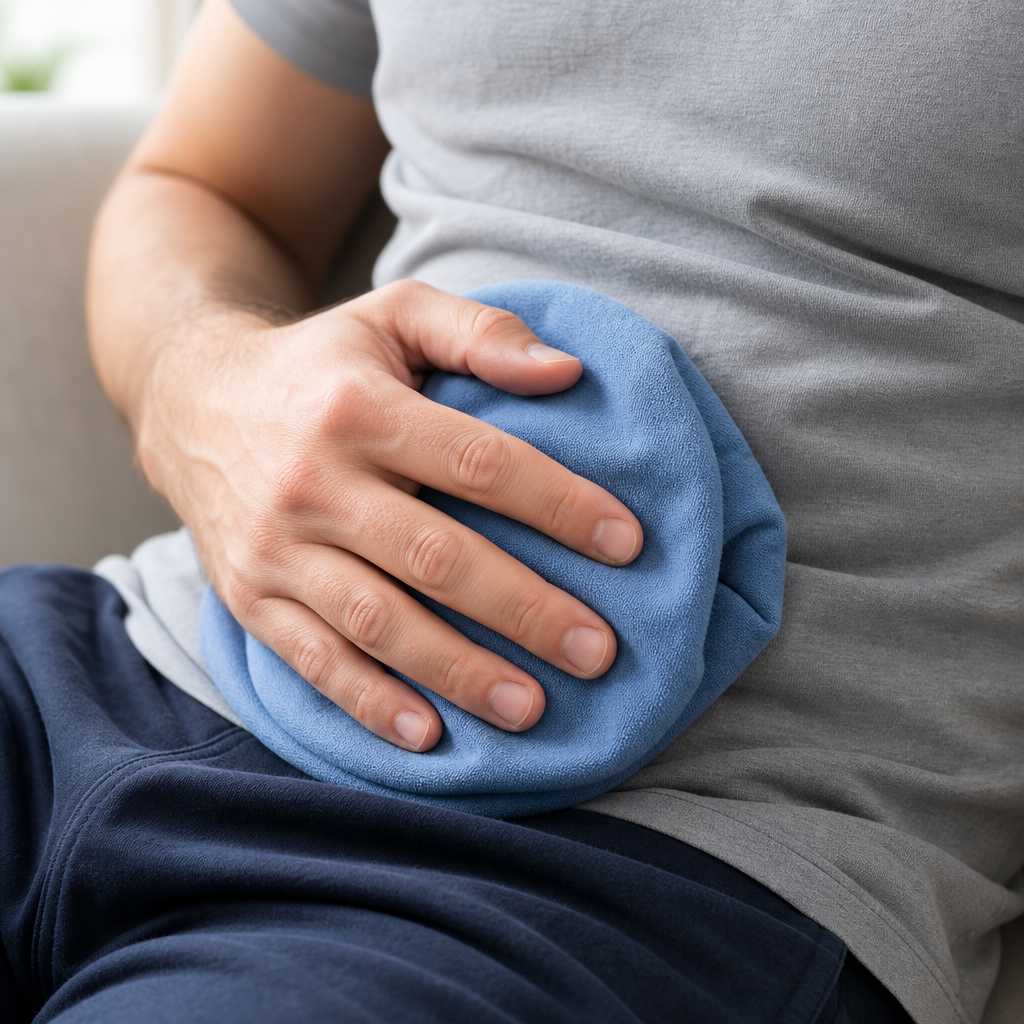
Most men are surprised to learn that vasectomy recovery is measured in days, not weeks. The no-needle, no-scalpel approach used at Shan Vasectomy in Huntington Woods, Michigan, takes that recovery window even shorter than traditional methods. Yet a significant number of men still delay scheduling the procedure because they overestimate downtime, or they follow the wrong advice after the procedure and extend their discomfort unnecessarily. This guide gives you the complete, honest recovery timeline, day by day, so you know exactly what to expect after your no-needle vasectomy and can plan accordingly.
Table of Contents
- Quick Takeaways
- Why No-Needle Vasectomy Recovery Is Different
- The First 24 Hours: What Normal Looks Like
- Days 2 Through 7: The Active Healing Phase
- Weeks 2 Through 4: Returning to Full Activity
- Vasectomy Healing Time: Comparing Recovery Approaches
- What Can Go Wrong and How to Recognize It
- Confirming Success: The Semen Analysis You Cannot Skip
- Frequently Asked Questions
- References
Quick Takeaways
| Key Insight | Explanation |
|---|---|
| Most men return to desk work in 2 days | Sedentary jobs require very little recovery time after a no-needle vasectomy. Physical labor jobs typically need 5 to 7 days off. |
| Ice is your best tool in the first 48 hours | Applying ice packs for 20 minutes on, 20 minutes off reduces swelling and discomfort more effectively than relying solely on pain medication. |
| You are not sterile immediately after the procedure | Residual sperm remain in the reproductive tract. Contraception must be used until a semen analysis at 8 to 12 weeks confirms zero sperm count. |
| Scrotal support matters more than most men expect | Wearing snug, supportive underwear or an athletic supporter for the first week significantly reduces pulling discomfort and speeds healing. |
| Sexual activity can resume around day 7 | Most men can safely resume sexual activity after one week, though individual healing varies. Discomfort during ejaculation in the first few days is normal. |
| The no-needle technique reduces bruising | By avoiding a traditional injection needle, the no-needle approach causes less local tissue trauma, which typically means less bruising and a faster recovery start. |
| Follow-up is included in the $600 flat rate at Shan Vasectomy | All necessary follow-up visits, including the semen analysis review, are part of the flat-rate fee, so there are no surprise costs during recovery. |
Why No-Needle Vasectomy Recovery Is Different

The term “no-needle, no-scalpel” is not just marketing language. It describes two genuine procedural differences that directly affect vasectomy recovery. Traditional vasectomies use a needle to inject local anesthetic into the scrotal skin, and that injection itself causes tissue trauma and bruising before the procedure even begins. The no-needle method uses a jet injector to deliver the anesthetic through the skin without puncturing it, which means less tissue disruption from the very first step.
The no-scalpel component replaces the traditional incision with a small puncture made using a specialized instrument. That puncture does not require sutures in most cases, which eliminates one source of post-procedure soreness and one potential site for complications. At Shan Vasectomy, Dr. Thulasi Shanmukanathan performs this procedure using both techniques together, and the clinical result is a shorter, less traumatic experience that sets men up for a faster recovery from the moment they leave the clinic.
In practice, the difference is noticeable. Men who have had a traditional vasectomy at another clinic and later discuss the experience often report that the injection was the most uncomfortable part. That discomfort is removed entirely with the no-needle approach, and the downstream effect on vasectomy healing time is real.
The First 24 Hours: What Normal Looks Like
The first 24 hours after your vasectomy set the tone for the rest of your recovery. Most men leave the clinic within 30 minutes of the procedure finishing and feel well enough to walk to their car. The local anesthetic typically lasts two to four hours, so expect some achiness to begin in the afternoon if you had a morning appointment.
What you will feel in the first few hours
A dull ache in the scrotal area is normal and expected. Some men describe it as similar to being hit in the groin, though less intense. Over-the-counter ibuprofen or acetaminophen manages this effectively for the vast majority of patients. Prescription pain medication is rarely needed after a no-needle procedure.
Mild swelling is also normal. The scrotum may look slightly puffy by the end of day one. This is not a sign that anything went wrong. It is your body’s inflammatory response to the procedure.
What you should be doing in the first 24 hours
Rest is the single most important thing you can do on day one. Lying down, keeping your feet elevated where possible, and applying ice to the area in 20-minute intervals will do more for your recovery than anything else. Do not attempt to push through discomfort by staying active. Physical activity on day one consistently leads to increased swelling and longer overall recovery time.
Wear snug, supportive underwear from the moment you leave the clinic. Briefs or a jockstrap keep the scrotum supported and reduce the pulling sensation that comes with movement. Loose boxers are the wrong choice for the first week of vasectomy recovery.
Pro tip: Buy two bags of frozen peas before your procedure date. They conform to the area better than standard ice packs and can be refrozen between uses. Keep them rotating throughout day one.
Days 2 Through 7: The Active Healing Phase
By day two, most men feel meaningfully better than they did on day one. The sharpest discomfort has typically passed, and swelling begins to reduce. This phase of recovery is where patients most commonly make mistakes by doing too much too soon.
Returning to work
Men with desk-based or sedentary jobs can usually return to work on day two or three. If your job requires sitting at a computer, answering calls, or performing light tasks, you are almost certainly fine to return within 48 hours. Remote work from a couch or recliner on day two is a reasonable option for those who feel up to it.
Physical labor is a different story. Construction, landscaping, warehouse work, and anything that requires heavy lifting, prolonged standing, or straining should be avoided for a full five to seven days. Going back too early risks increased swelling and, in rare cases, hematoma formation.
Physical activity and exercise restrictions
Light walking is fine from day two onward. Anything more strenuous, including jogging, cycling, weightlifting, or sports, should wait until at least day seven and ideally until there is no soreness remaining. The data consistently shows that men who resume intense exercise too early have higher rates of post-procedure swelling and discomfort that can linger for weeks.
Cycling deserves a specific mention. Bike seats place direct pressure on the perineal area and should be avoided for at least two full weeks after the procedure. This applies to both road bikes and stationary gym bikes.
Sexual activity after vasectomy
The general guideline is to wait one week before resuming sexual activity. Ejaculation in the first few days after the procedure can cause a pulling or aching sensation as the vas deferens moves through the healing tissue. It will not cause damage, but it is uncomfortable enough that most men naturally wait. Use contraception every time until your semen analysis confirms a zero sperm count.
Pro tip: Mark the date of your procedure in your calendar and set a reminder for eight weeks out. That is approximately when you will need to submit a semen sample to confirm the vasectomy worked. Do not skip this step, regardless of how well your recovery goes.
Weeks 2 Through 4: Returning to Full Activity
By the start of week two, the vast majority of men feel completely normal in day-to-day life. Any remaining discomfort is usually mild and intermittent rather than constant. Swelling should be gone or nearly gone. This is the phase where most patients forget they had a procedure at all.
Full physical activity, including gym workouts and sports, is generally safe by the two-week mark as long as there is no ongoing soreness. If you are still feeling discomfort at two weeks, that is worth mentioning to Dr. Shanmukanathan at your follow-up appointment rather than pushing through it.
What the post-vasectomy ache actually is
A small percentage of men experience a residual aching sensation in the testicles during the first few weeks that comes and goes without obvious cause. This is sometimes called post-vasectomy pain and it is different from the normal recovery soreness. In most cases it resolves on its own within a month. Persistent discomfort beyond four to six weeks is uncommon after a no-needle procedure but should always be evaluated.
“The no-scalpel vasectomy has been shown in multiple clinical studies to have lower complication rates, including lower rates of hematoma, infection, and prolonged pain, compared to conventional incisional techniques.” – Urology Care Foundation, American Urological Association
This matters because choosing a clinic that performs the no-needle, no-scalpel approach is not just about procedure day comfort. It directly reduces your risk of complications that could extend your overall vasectomy healing time.

Vasectomy Healing Time: Comparing Recovery Approaches
Understanding how different procedural approaches affect recovery helps you make a better-informed decision when choosing a provider. Not all vasectomies are the same, and the technique your doctor uses has a direct impact on your experience in the days and weeks after the procedure.
| Approach | Typical Return to Desk Work | Typical Return to Physical Labor |
|---|---|---|
| No-Needle, No-Scalpel (Shan Vasectomy) | 1 to 2 days | 5 to 7 days |
| No-Scalpel with Traditional Needle Anesthesia | 2 to 3 days | 7 days |
| Conventional Incisional Vasectomy | 3 to 5 days | 7 to 10 days |
The difference between the no-needle approach and a conventional incisional vasectomy may seem minor in terms of days, but for men who have time-sensitive work commitments or physically demanding jobs, those extra days matter. The clinical advantage of avoiding both the injection needle and the scalpel compounds during recovery, with less bruising, less tissue trauma, and a lower risk of hematoma all contributing to a faster and more comfortable healing process.
What Can Go Wrong and How to Recognize It
The vast majority of vasectomy recoveries are uneventful, but knowing what legitimate warning signs look like is important. A common mistake is dismissing symptoms that warrant a call to the clinic, or conversely, panicking over normal post-procedure bruising.
Hematoma
A hematoma is a collection of blood that forms in the scrotum after the procedure. It presents as significant swelling, tightness, and sometimes a bluish discoloration. Minor bruising is normal. A hematoma, by contrast, causes the scrotum to feel hard and substantially enlarged. It is the most common serious complication after a vasectomy. The no-scalpel technique significantly reduces this risk, but it can still occur, particularly if men resume physical activity too soon.
Infection
Signs of infection include increasing redness, warmth, and swelling at the puncture site after the first 48 hours, accompanied by fever. Normal recovery soreness decreases over time. Infection symptoms worsen. If you notice these signs, contact the clinic promptly. Infections are rare with the no-scalpel approach because there is no open wound, but they are not impossible.
Sperm granuloma
A sperm granuloma is a small, firm lump that can develop near the site where the vas deferens was sealed. It forms as a reaction to sperm leaking from the sealed end. Most granulomas are painless and resolve on their own. If one causes persistent tenderness, a follow-up visit with Dr. Shanmukanathan will determine whether any treatment is needed.
Confirming Success: The Semen Analysis You Cannot Skip
A vasectomy is not considered successful until a semen analysis confirms the absence of sperm. This is a non-negotiable step in the recovery process, and it is one that too many men skip because they feel fine and assume everything worked.
At Shan Vasectomy, the standard recommendation is to submit a semen sample at 8 to 12 weeks after the procedure. At that point, most men will have had enough ejaculations to clear residual sperm from the reproductive tract. The sample is analyzed under a microscope. A zero sperm count means the vasectomy is confirmed effective. Any residual motile sperm means additional testing is needed.
Until that analysis comes back negative, contraception is not optional. This is the part of after vasectomy care that carries the most real-world consequences if ignored. Unintended pregnancies do occur when men stop using contraception before confirming a zero count, and that outcome is entirely avoidable.
At Shan Vasectomy, follow-up visits are included in the $600 flat rate. There is no separate billing for the semen analysis review appointment. That removes the financial barrier that sometimes causes men to avoid this final step.
Frequently Asked Questions
How long does vasectomy recovery actually take?
For most men who choose a no-needle, no-scalpel vasectomy, the active discomfort phase lasts two to four days. Returning to a desk job within 48 hours is realistic for the majority of patients. Full physical activity is typically safe by the end of week two. The final confirmation step, a semen analysis, happens at 8 to 12 weeks post-procedure.
Can I drive myself home after the procedure?
No. Even though no general anesthesia is used, you will have received local anesthesia and may feel groggy or uncomfortable. You should arrange for someone to drive you home from the clinic. This is a firm recommendation, not a suggestion.
When is it safe to have sex after a vasectomy?
Most men can safely resume sexual activity after seven days. However, resuming sex does not mean you are protected against pregnancy. You must use contraception until a semen analysis at 8 to 12 weeks confirms a zero sperm count. The two timelines are separate and should not be confused.
Is it normal to feel a lump after a vasectomy?
A small, firm lump near the vasectomy site during the first few weeks is usually a sperm granuloma, which is a normal inflammatory response. It is typically painless and resolves without treatment. If any lump is growing, increasingly tender, or accompanied by fever, contact the clinic for evaluation.
What happens if I go back to the gym too soon?
Returning to strenuous exercise before the tissue has healed increases blood flow to the area and raises the risk of hematoma formation. A hematoma can cause significant swelling and discomfort and may require medical drainage. It can also extend your overall recovery by several weeks. Waiting the full recommended time before resuming exercise is a straightforward way to avoid this outcome.
Does the no-needle technique really reduce recovery discomfort compared to a traditional vasectomy?
Yes, and the difference is clinically meaningful. The injection needle used in traditional vasectomies traumatizes scrotal tissue before the procedure begins. Removing that step means the body has less initial trauma to recover from. Combined with the no-scalpel puncture technique, the result is less bruising, less swelling, and for most men, a noticeably easier first two days compared to what men who had conventional vasectomies have reported.
Why is the semen analysis so important, and what if I feel fine?
Feeling well after the procedure says nothing about whether the vasectomy was anatomically successful. A small percentage of vasectomies initially fail because sperm can still pass through the sealed ends. The only way to confirm the procedure worked is through laboratory analysis of a semen sample. Men who skip this step and stop using contraception are taking a real risk, regardless of how smooth their recovery was.
Have you scheduled your vasectomy consultation, or do you have a specific recovery concern that was not covered here? Leave a comment or reach out to the team at Shan Vasectomy directly with your question.
References
- Urology Care Foundation, official patient education resource from the American Urological Association covering vasectomy procedures and outcomes
- Centers for Disease Control and Prevention reproductive health division, covering contraception effectiveness and male sterilization data
- PubMed Central, peer-reviewed research database including clinical studies on no-scalpel vasectomy complication rates and recovery outcomes
- Planned Parenthood, evidence-based patient information on vasectomy recovery, aftercare, and contraception until sterility is confirmed
- Mayo Clinic, clinician-reviewed guidance on vasectomy procedure steps, aftercare instructions, and when to seek follow-up care