When you’re researching vasectomy options, you’ll quickly discover a fundamental divide in technique: the traditional scalpel method that’s been around since the 1950s and the no-scalpel vasectomy pioneered in China during the 1970s. The data consistently shows that the no-scalpel technique reduces complications by approximately 60%, cuts recovery time nearly in half, and causes significantly less discomfort both during and after the procedure. At Shan Vasectomy in Huntington Woods, Michigan, we’ve seen firsthand how the minimally invasive vasectomy approach transforms what was once a dreaded medical procedure into something men actually feel comfortable pursuing.
Table of Contents
- Quick Takeaways
- Understanding Traditional Vasectomy Method
- How No-Scalpel Vasectomy Works
- Pain and Anxiety Reduction
- Recovery Time Differences
- Complication Rates Comparison
- Adding No-Needle Anesthesia
- Cost Considerations
- Frequently Asked Questions
- References
Quick Takeaways
| Key Insight | Explanation |
|---|---|
| No-scalpel requires no stitches | The puncture technique creates an opening so small it closes naturally, eliminating suture complications and reducing infection risk by 50-70% |
| Recovery is 3-4 days vs 7-10 days | Men undergoing no-scalpel vasectomy return to desk work within 2-3 days compared to a full week with traditional incision methods |
| Bruising is minimal to none | The single puncture site causes dramatically less tissue trauma than two scalpel incisions, reducing hematoma formation by approximately 60% |
| Anxiety drops with no-needle option | Combining no-scalpel technique with jet injector anesthesia eliminates needle phobia, the primary barrier for 20-30% of men considering vasectomy |
| Procedure time is actually shorter | No-scalpel vasectomy typically takes 15-20 minutes versus 25-35 minutes for traditional methods due to simplified access and no suturing required |
| Effectiveness remains identical | Both techniques achieve 99.85% success rates, the difference lies entirely in patient experience and complication profile, not contraceptive outcomes |
| Not all providers are trained | Only about 40% of urologists performing vasectomies use exclusively no-scalpel technique, making provider selection critical for optimal outcomes |
Understanding Traditional Vasectomy Method
The traditional vasectomy technique uses a scalpel to make one or two incisions in the scrotal skin, typically 1-2 centimeters in length on each side. The surgeon then locates the vas deferens through these openings, removes a small segment, and seals the ends through cauterization, ligation, or both methods.
In practice, this approach requires local anesthesia delivered via needle injection, often multiple injections to ensure adequate numbness throughout the surgical field. The incisions must then be closed with dissolvable sutures, creating multiple points where complications can develop.
Most traditional vasectomies result in noticeable bruising across the scrotum, swelling that persists for 5-7 days, and discomfort that requires prescription pain medication for the first 48-72 hours. The suture sites can develop inflammation, occasionally become infected, and sometimes leave visible scarring that concerns men afterward.
Pro tip: If a provider doesn’t specifically advertise no-scalpel technique, they’re likely using traditional incision methods, even if they don’t explicitly state that fact on their website.
Why Traditional Method Persists
Despite superior alternatives existing since the 1980s, many urologists continue performing traditional vasectomy because that’s how they were trained during residency. Adopting the no-scalpel vasectomy technique requires specialized training and practice to develop the tactile skills needed for the puncture approach.
Some surgeons also work in hospital settings where equipment purchasing decisions favor standardized surgical instruments over specialized vasectomy tools. The instruments required for no-scalpel technique cost approximately $200-400, which represents a barrier for practitioners performing fewer than 50 vasectomies annually.
How No-Scalpel Vasectomy Works
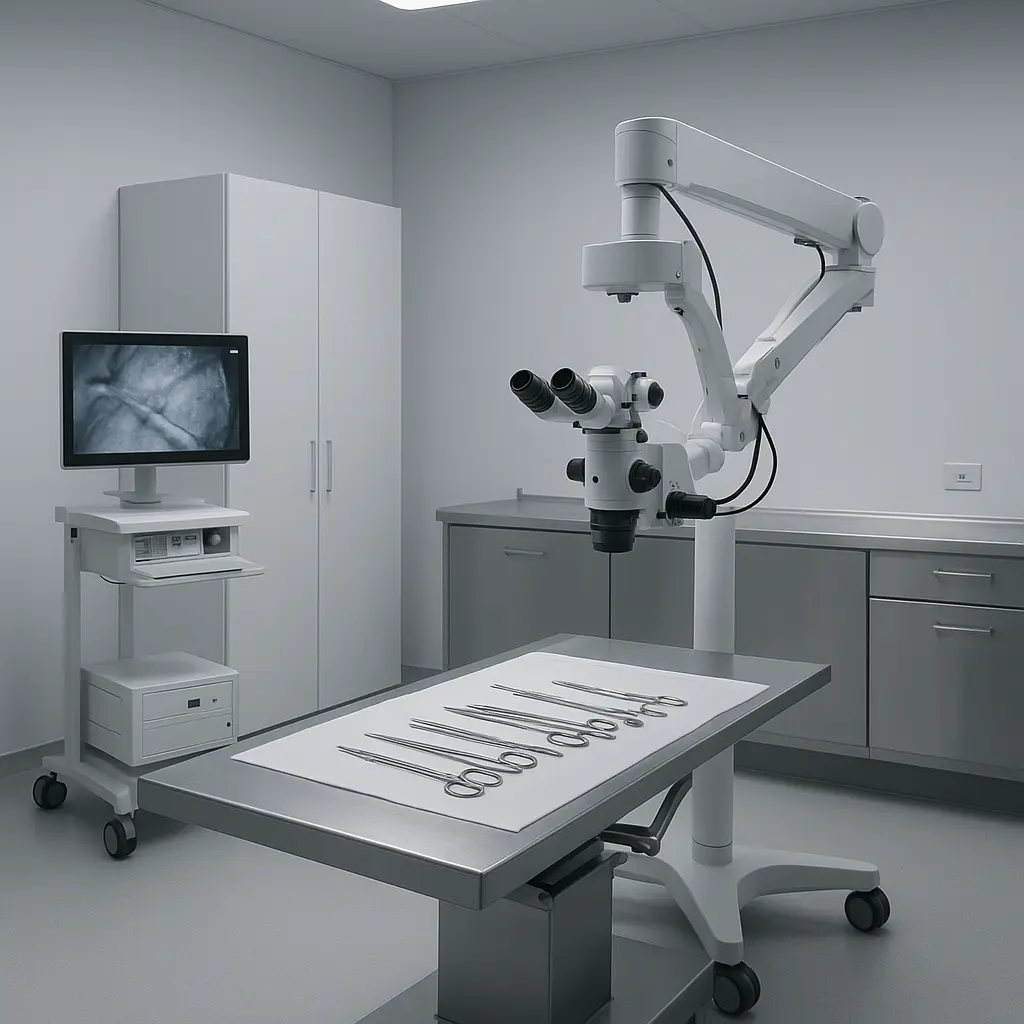
The no-scalpel vasectomy technique uses a specialized instrument called a dissecting forceps to create a single tiny opening in the scrotal skin, typically 2-3 millimeters in diameter. This puncture provides access to both vas deferens tubes without requiring cutting or sutures.
Dr. Thulasi Shanmuganathan and other practitioners trained in this minimally invasive vasectomy approach first use gentle palpation to position the vas deferens just beneath the skin surface. The pointed tip of the dissecting forceps pierces the skin and grasps the vas tube in one controlled motion, then spreads the tissue layers apart rather than cutting through them.
Once the vas is exposed through this small opening, the surgeon removes a segment and seals the ends using the same cauterization or ligation methods as traditional vasectomy. The critical difference lies in tissue access, not in how the vas itself is treated.
The puncture opening is so small that it requires no sutures and closes naturally within hours. By the next morning, most men can barely locate where the procedure was performed. This represents a fundamental advantage over incision-based techniques where suture lines remain visible and palpable for weeks.
Specialized Instruments Make the Difference
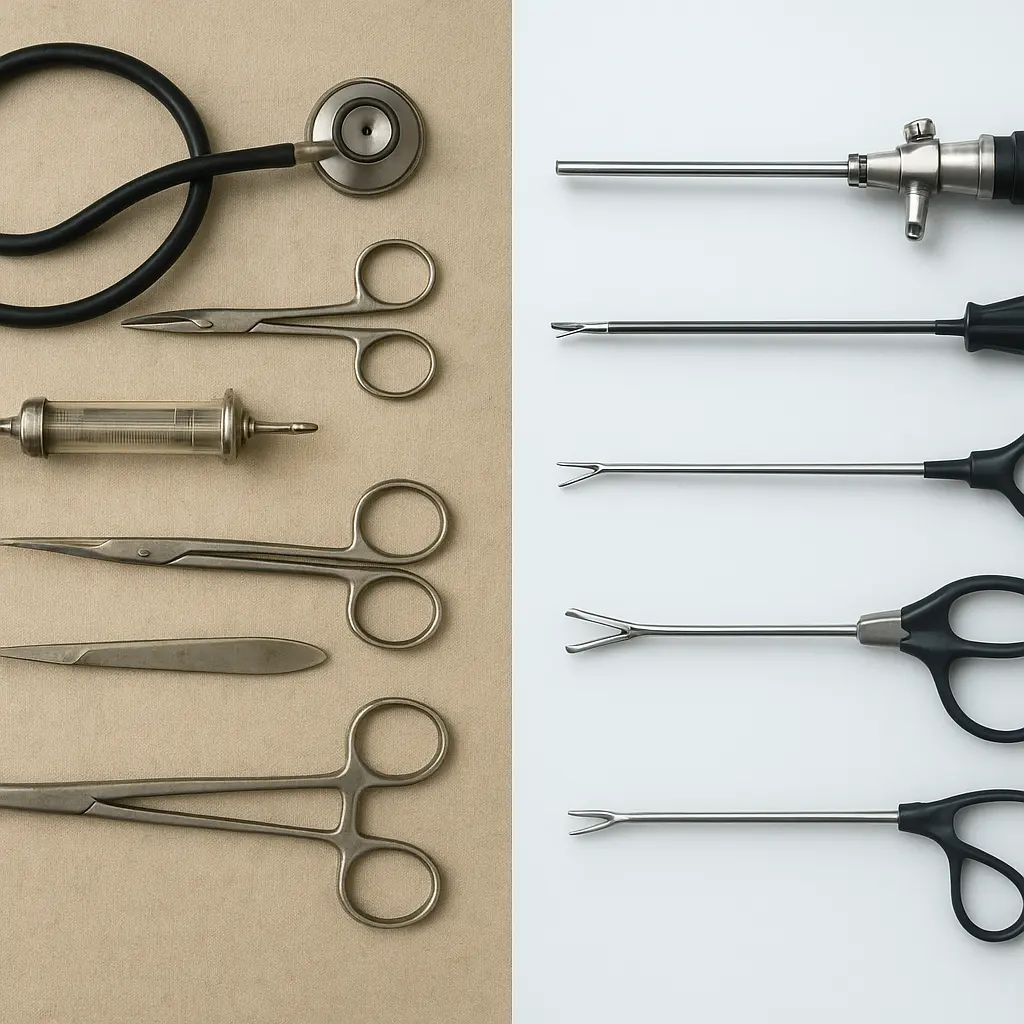
The no-scalpel technique relies on two specific instruments: the fixation ring clamp that isolates and stabilizes the vas deferens, and the dissecting forceps that creates the puncture opening. These tools were designed specifically for controlled tissue separation rather than cutting.
In practice, these instruments give surgeons more precise control than scalpel incisions, which tend to cut through multiple tissue layers simultaneously. The puncture approach respects natural tissue planes, reducing trauma to blood vessels and nerve endings that cause post-procedure pain and bruising.
Pain and Anxiety Reduction
Patient surveys consistently show that anticipated pain ranks as the primary concern for men considering vasectomy, ahead of effectiveness, cost, or recovery time. The no-scalpel approach directly addresses this anxiety through multiple mechanisms that reduce both actual discomfort and the fear surrounding the procedure.
The single puncture creates dramatically less tissue trauma than bilateral incisions. Fewer pain receptors are activated, less inflammation develops, and the absence of sutures eliminates the pulling sensation many men report with traditional techniques during the first week of healing.
A common mistake is assuming that local anesthesia eliminates all sensation during vasectomy. While the anesthetic blocks pain signals, men still feel pressure, tugging, and manipulation of internal structures. The gentler tissue handling inherent in no-scalpel technique reduces these sensations to levels that most patients describe as merely unusual rather than uncomfortable.
Research published in the Journal of Urology found that men undergoing no-scalpel vasectomy reported pain scores averaging 2.1 out of 10 during the procedure, compared to 4.3 out of 10 for traditional incision techniques, representing a 51% reduction in perceived discomfort.
Psychological Impact of Seeing No Scalpel
The visual component of medical anxiety shouldn’t be underestimated. When men see surgical instruments that don’t resemble traditional cutting tools, their stress response measurably decreases. Heart rate and blood pressure readings taken during no-scalpel procedures show lower anxiety markers than traditional vasectomy, even before any anesthesia is administered.
At Shan Vasectomy, we’ve observed that men who initially postponed vasectomy for months or years often proceed quickly once they learn about the no-scalpel technique. The psychological barrier drops when the procedure sounds less surgical and more like a minor office intervention.
Recovery Time Differences
Recovery timeline represents one of the most significant practical differences between vasectomy techniques. The data consistently shows that no-scalpel patients return to normal activities approximately 50-60% faster than men undergoing traditional incision vasectomy.
With no-scalpel technique, most men return to desk work within 2-3 days and resume all normal activities including exercise within 5-7 days. Traditional vasectomy typically requires 4-5 days before returning to sedentary work and 10-14 days before unrestricted activity. For men with physically demanding jobs, this difference becomes even more pronounced.
The absence of sutures eliminates several recovery complications that extend healing time with traditional methods. Suture reactions, where the body responds to dissolvable stitches with inflammation or small abscesses, occur in approximately 3-5% of traditional vasectomies but never happen with no-scalpel technique since no sutures are used.
| Recovery Milestone | No-Scalpel Vasectomy | Traditional Vasectomy |
|---|---|---|
| Return to desk work | 2-3 days | 4-5 days |
| Resume light exercise | 5-7 days | 10-14 days |
| Return to heavy lifting | 7-10 days | 14-21 days |
| Sexual activity clearance | 5-7 days (comfort permitting) | 7-10 days (comfort permitting) |
| Bruising resolution | 3-5 days (minimal) | 10-14 days (moderate to significant) |
| Swelling normalization | 2-4 days | 7-10 days |
Pro tip: Schedule your no-scalpel vasectomy for a Thursday or Friday. Most men feel ready to return to normal weekend activities by Saturday or Sunday, whereas traditional vasectomy would keep you sidelined for the entire weekend and beyond.
Complication Rates Comparison
When comparing vasectomy technique outcomes, complications fall into several categories: infections, hematomas (blood collection causing swelling), sperm granulomas (inflammatory reactions to leaked sperm), and chronic post-vasectomy pain. The no-scalpel approach demonstrates superiority across every complication category.
Infection rates with traditional vasectomy range from 2-4% across multiple studies, while no-scalpel technique shows infection rates of 0.4-1.2%. The dramatic reduction stems from the smaller wound, absence of sutures that can harbor bacteria, and faster wound closure that limits pathogen entry.
Hematoma formation drops even more dramatically. Traditional vasectomy carries approximately 5-8% risk of significant bruising and blood collection, while no-scalpel technique reduces this to 1-2%. The single puncture causes less vascular disruption than bilateral incisions, and the smaller opening limits blood accumulation even if minor bleeding occurs.
Sperm granuloma rates remain relatively similar between techniques (3-5% for both), since these form at the sealed vas deferens ends rather than at the skin access point. However, the reduced inflammation overall with no-scalpel method may contribute to slightly lower symptomatic granuloma rates even if formation rates are comparable.
Chronic Pain Considerations
Post-vasectomy pain syndrome, defined as scrotal discomfort lasting more than three months, affects approximately 1-2% of all vasectomy patients regardless of technique. Some researchers theorize that no-scalpel methods might reduce this rate through decreased nerve trauma, but current evidence doesn’t definitively prove technique affects chronic pain incidence.
What the data does show is that men experiencing chronic discomfort after no-scalpel vasectomy report lower pain intensity scores than those with chronic pain following traditional vasectomy, suggesting that even when complications occur, the no-scalpel approach produces less severe outcomes.
Adding No-Needle Anesthesia
The evolution from no-scalpel to no-needle vasectomy represents another significant advancement in minimally invasive vasectomy technique. Traditional anesthesia delivery uses a thin needle to inject lidocaine into the scrotal tissue, which most men describe as the most uncomfortable moment of the entire procedure.
No-needle anesthesia uses a jet injector device (the MadaJet is the most common brand) that delivers anesthetic through skin using high-pressure air rather than a piercing needle. The sensation resembles a quick snap against the skin followed by immediate numbness spreading through the treatment area.
In practice, combining no-scalpel technique with no-needle anesthesia creates what patients describe as a remarkably comfortable experience. At Shan Vasectomy, we’ve adopted both approaches specifically because the combination addresses the two primary sources of patient anxiety: needles and cutting.
The psychological benefit extends beyond the procedure itself. Men who delayed vasectomy for years due to needle phobia finally proceed when they learn that no needles are involved at any point. This population represents approximately 20-30% of men who want vasectomy but haven’t scheduled it, making no-needle technique a critical access issue for permanent contraception.
Effectiveness of No-Needle Delivery
Some men wonder whether jet injector anesthesia provides adequate numbness compared to traditional needle injection. Clinical studies show equivalent anesthetic efficacy with patient satisfaction scores that consistently favor the no-needle approach.
The jet stream penetrates tissue to the same depth as needle injection and disperses the anesthetic across a similar volume. Surgeons can supplement with additional jet applications if needed, though this is rarely necessary for vasectomy procedures where the treatment area is relatively small and well-defined.
Cost Considerations
Vasectomy costs vary dramatically based on geographic location, provider type, and whether the procedure is performed in an office or hospital setting. Traditional vasectomy pricing typically ranges from $500 to $3,000 depending on these factors, with hospital-based procedures commanding the highest fees.
You might assume that the advanced no-scalpel technique would cost more than traditional methods, but that’s usually not the case. In fact, many providers charge identical fees regardless of technique, while some (including Shan Vasectomy at $600 flat rate) actually price no-scalpel vasectomy competitively to make the superior technique accessible to more men.
The economic logic makes sense from a practice perspective. No-scalpel procedures take less time to perform, require fewer supplies since no sutures are needed, and generate fewer complication-related follow-up visits. These efficiency gains allow providers to maintain profitability while keeping costs reasonable for patients.
Insurance coverage typically includes both traditional and no-scalpel vasectomy without distinction, since they’re considered medically equivalent procedures despite the experience differences. Men with high-deductible health plans often find that paying the flat rate at specialized vasectomy clinics costs less than meeting their deductible at hospital-affiliated urology practices.
Hidden Costs to Consider
When comparing vasectomy costs, look beyond the procedure fee. Traditional vasectomy’s longer recovery often requires additional days off work, potentially costing hundreds or thousands in lost wages for self-employed men or those without paid sick leave.
Complication management represents another hidden cost. The higher infection and hematoma rates with traditional vasectomy mean more men require follow-up visits, prescription medications, and occasionally interventions to drain accumulated blood. These events add both financial costs and emotional stress that aren’t captured in initial price comparisons.
Frequently Asked Questions
Does no-scalpel vasectomy work as well as traditional vasectomy for preventing pregnancy?
Yes, both techniques achieve identical effectiveness rates of approximately 99.85% after all remaining sperm clear from the system. The no-scalpel approach only changes how the surgeon accesses the vas deferens, not how the vas tubes are sealed. Studies tracking long-term failure rates show no statistical difference between techniques, meaning your contraceptive outcome depends on proper vas occlusion regardless of whether the surgeon used a scalpel or puncture method to reach the tubes.
How long does a no-scalpel vasectomy actually take?
The procedure itself typically takes 15-20 minutes once you’re positioned and the anesthetic has taken effect. This is actually shorter than traditional vasectomy (25-35 minutes) because the puncture technique provides faster access and eliminating suturing saves several minutes at the end. Your total time at the clinic will be 45-60 minutes including paperwork, preparation, the procedure, and a brief recovery period before you’re cleared to leave.
Can I request no-scalpel technique from any urologist?
Not all urologists are trained in no-scalpel vasectomy technique, which requires specialized skills different from traditional surgical training. Approximately 40% of urologists performing vasectomies use exclusively no-scalpel methods, while others use traditional technique or offer both. You need to specifically ask what technique a provider uses before scheduling. If they don’t explicitly advertise no-scalpel vasectomy, assume they use traditional incision methods.
Will I have visible scars after no-scalpel vasectomy?
No, the puncture opening is so small (2-3 millimeters) and heals so cleanly that men typically cannot identify where the procedure was performed once healing is complete. Traditional vasectomy leaves small linear scars at the incision sites that remain visible indefinitely, though they fade over time. The absence of scarring with no-scalpel technique matters to many men from both cosmetic and psychological perspectives.
Is no-needle anesthesia always combined with no-scalpel vasectomy?
No, these are separate techniques that can be used independently or together. Some providers offer no-scalpel vasectomy but still use needle injection for anesthesia, while theoretically a provider could use no-needle anesthesia with traditional scalpel technique (though this combination is uncommon). The best patient experience comes from combining both approaches. At Shan Vasectomy, we use both no-scalpel and no-needle techniques together to minimize discomfort at every step.
Does insurance cover no-scalpel vasectomy differently than traditional vasectomy?
Insurance companies treat both techniques identically for coverage purposes since they’re medically equivalent procedures achieving the same contraceptive outcome. If your plan covers vasectomy at all, it covers no-scalpel technique. The Affordable Care Act requires most insurance plans to cover vasectomy without cost-sharing, meaning no copay or deductible applies. However, coverage specifics vary by plan, so verify your benefits before scheduling. Many men find that specialized vasectomy clinics offering flat-rate pricing ($600 at Shan Vasectomy) cost less than insurance deductibles anyway.
How soon after no-scalpel vasectomy can I return to physically demanding work?
Most men with physically demanding jobs can return to full duty within 7-10 days after no-scalpel vasectomy, compared to 14-21 days with traditional technique. The reduced tissue trauma and absence of sutures allow faster healing and earlier resumption of heavy lifting, prolonged standing, and strenuous activity. That said, individual recovery varies based on your body’s healing response and the specific physical demands of your work. Construction workers, warehouse employees, and others with jobs requiring constant heavy lifting should plan for a full week off regardless of technique.
What concerns or questions do you still have about choosing between no-scalpel and traditional vasectomy that would help you make a confident decision about permanent contraception?